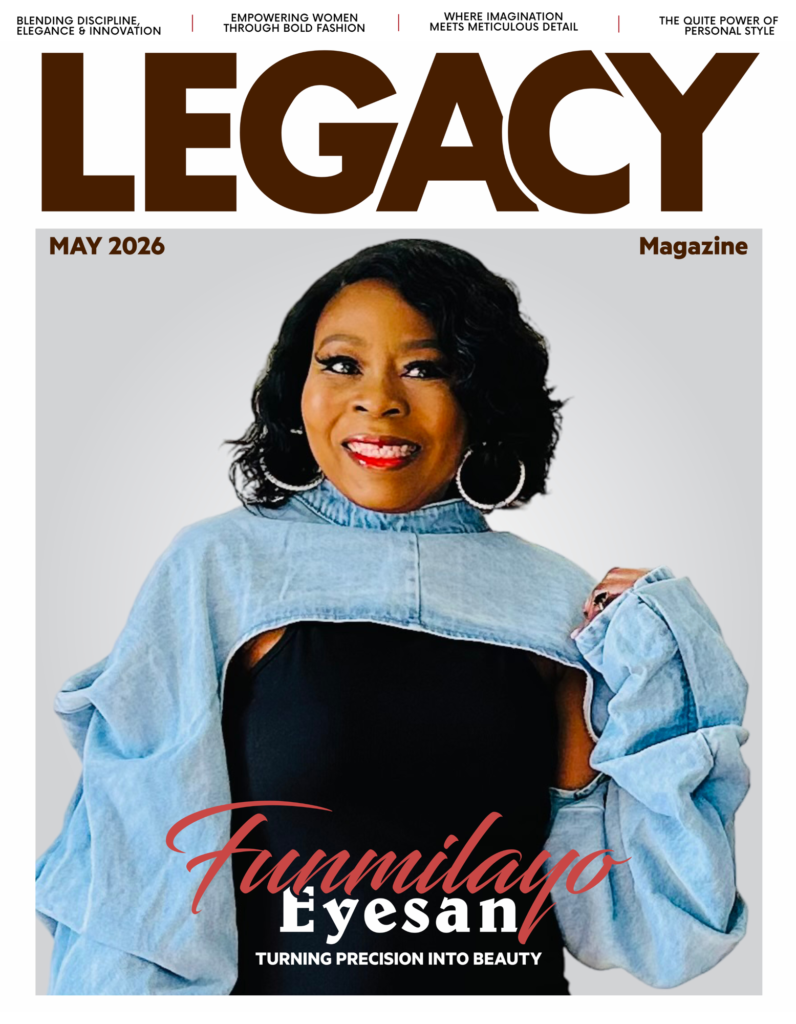
STYLISH WITHOUT VALIDATION: THE QUIET POWER OF PERSONAL STYLE
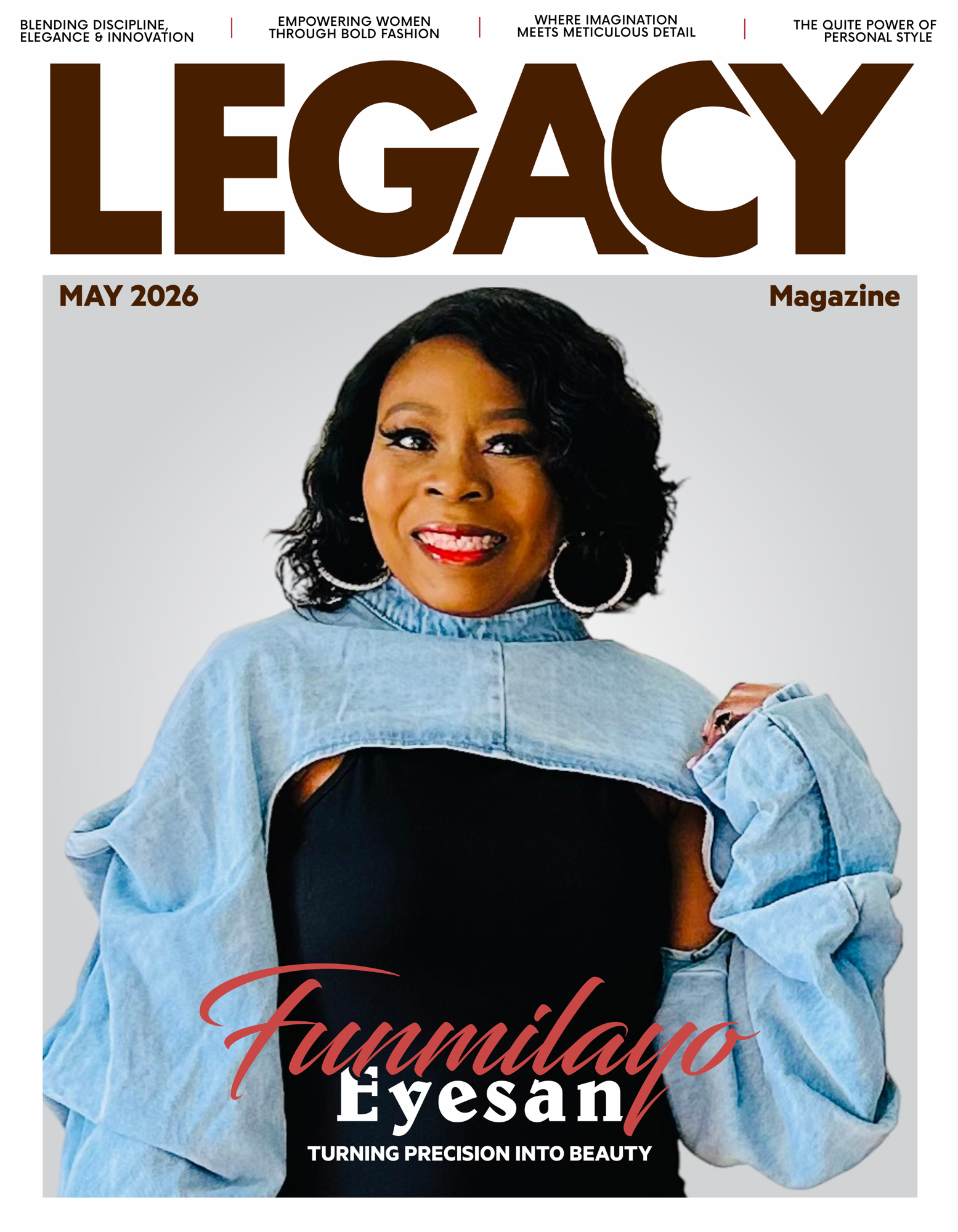
By Funmilayo Eyesan
In an age where approval is measured through likes, comments, and fleeting digital applause, personal style has increasingly become a public performance. Outfits are curated for the camera rather than the mirror, while fashion trends rise and disappear at the speed of algorithms. Many people dress to be noticed, but true style—the kind that inspires, influences, and endures—exists far beyond the need for validation.
For fashion theorist Funmilayo Eyesan, style is not about chasing approval. It is about identity, self-awareness, and confidence. Authentic style begins internally before it is ever seen externally. While fashion asks, “What’s trending right now?” personal style quietly asks, “Who are you becoming?”
Style Is Confidence Without Permission
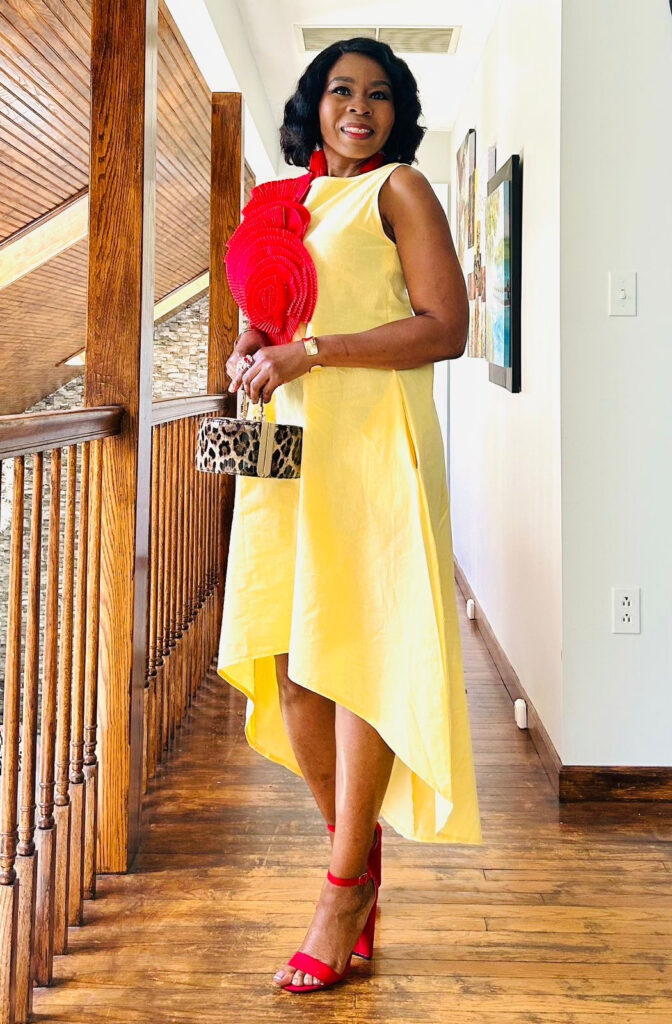
One of the most powerful elements of personal style is confidence. A truly stylish person does not enter a room seeking approval because their clothing already reflects a decision they have made within themselves—to honor their individuality and personal taste.
This confidence is not loud or attention-seeking. Instead, it is subtle, composed, and magnetic. People with authentic style understand that elegance and self-expression do not require permission from others.
Key Elements of Confident Personal Style
- Dressing based on identity rather than trends
- Wearing pieces that reflect personality and mood
- Choosing authenticity over social validation
- Developing a timeless wardrobe instead of chasing hype
- Embracing individuality without apology
Fashion Trends Fade, But Identity Endures
Fashion trends are temporary by nature. Every season introduces new aesthetics, colors, and silhouettes that encourage constant participation and comparison. However, personal style evolves differently. It grows through life experiences, culture, creativity, and emotional expression.
Rather than abandoning individuality for every passing trend, stylish individuals adapt with intention. They refine their wardrobe while remaining connected to their essence.
This is what separates timeless style from trend-driven fashion. Trends may dominate social media today, but identity always outlasts algorithms.
The Freedom of Dressing for Yourself
When people stop dressing for validation, fashion becomes liberating instead of performative. Clothing transforms into a language of self-expression rather than a tool for approval.
Suddenly:
- Colors become emotional expression rather than rules
- Silhouettes reflect personality and energy
- Accessories tell personal stories instead of following expectations
- Style becomes creative freedom instead of social pressure
This freedom allows individuals to reconnect with themselves through fashion in a more meaningful way.
Personal Style as a Form of Self-Respect
Choosing clothing that genuinely resonates with your spirit—regardless of popularity—is an act of self-respect. It reflects trust in your instincts, appreciation for your individuality, and confidence in your own perspective.
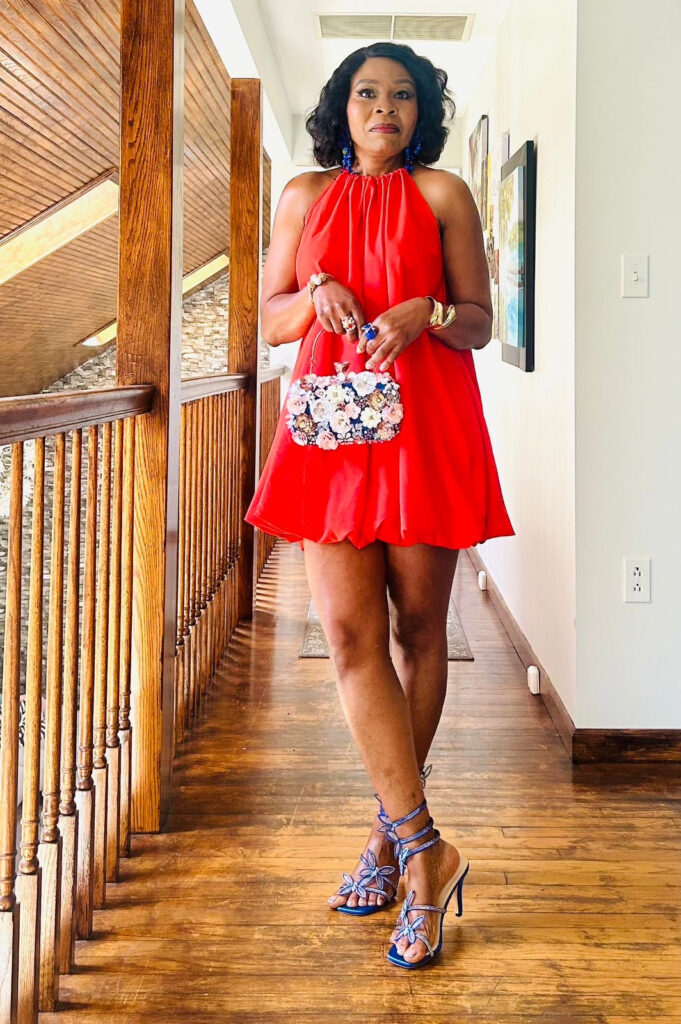
Many of the most iconic style figures in history are remembered not because they followed validation, but because they embraced authenticity. Their influence came from consistency, originality, and fearlessness.
According to Funmilayo Eyesan, style becomes powerful when it is rooted in self-awareness rather than public opinion.
Validation Is Temporary. Style Is Timeless.
Compliments and attention may feel rewarding, but they should never become the foundation of personal style. True style does not bend to opinions or rely on constant reassurance. Instead, it evolves naturally, influences others quietly, and remains deeply personal.
And perhaps the most beautiful truth about style is this:
When you stop seeking validation, authentic style finally finds you.
Effortless. Timeless. Unmistakably your own.
About Funmilayo Eyesan
Funmilayo Eyesan is a fashion theorist and style storyteller exploring the relationship between identity, confidence, culture, and modern fashion. Her work focuses on timeless elegance, self-expression, and the emotional psychology behind personal style.