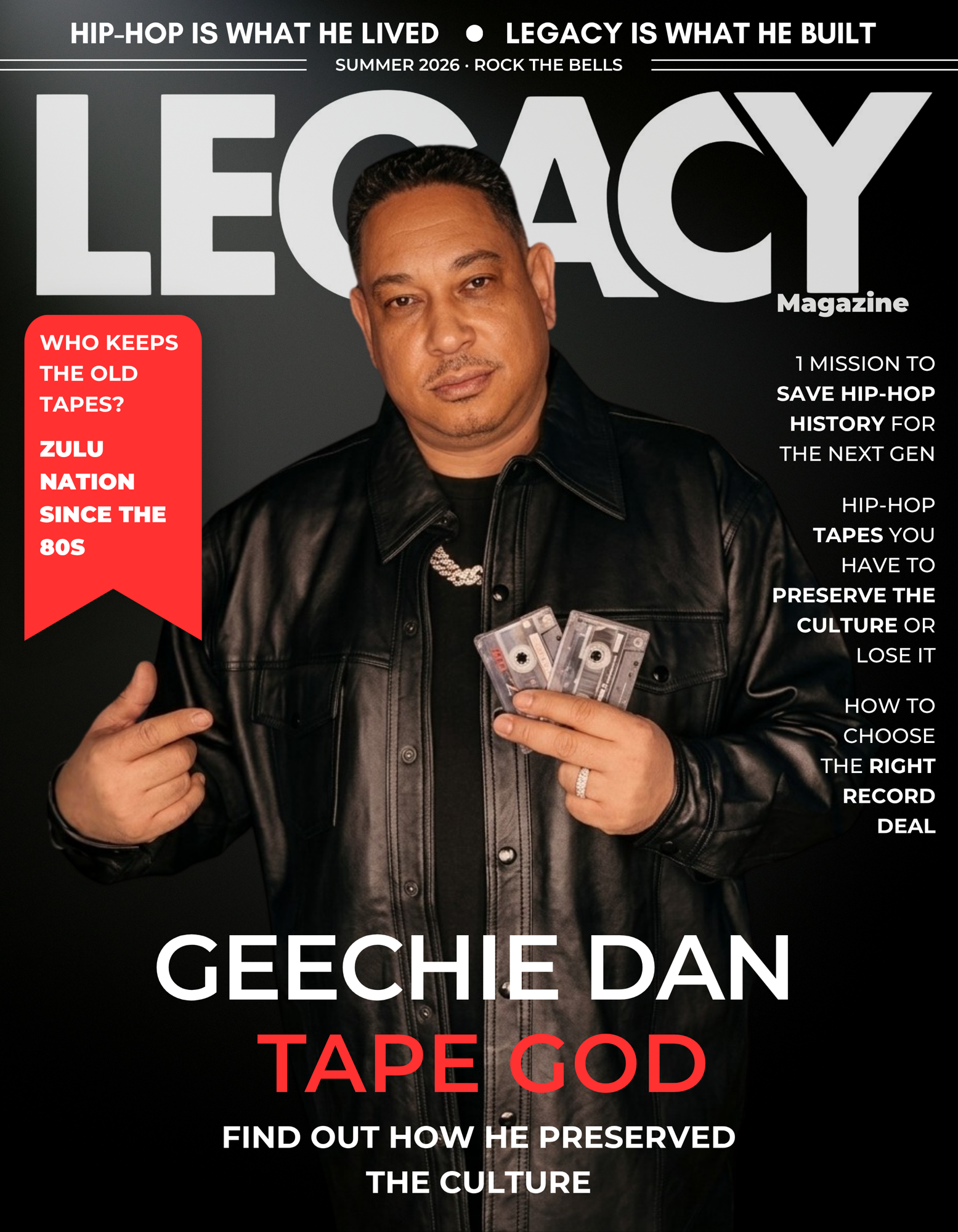
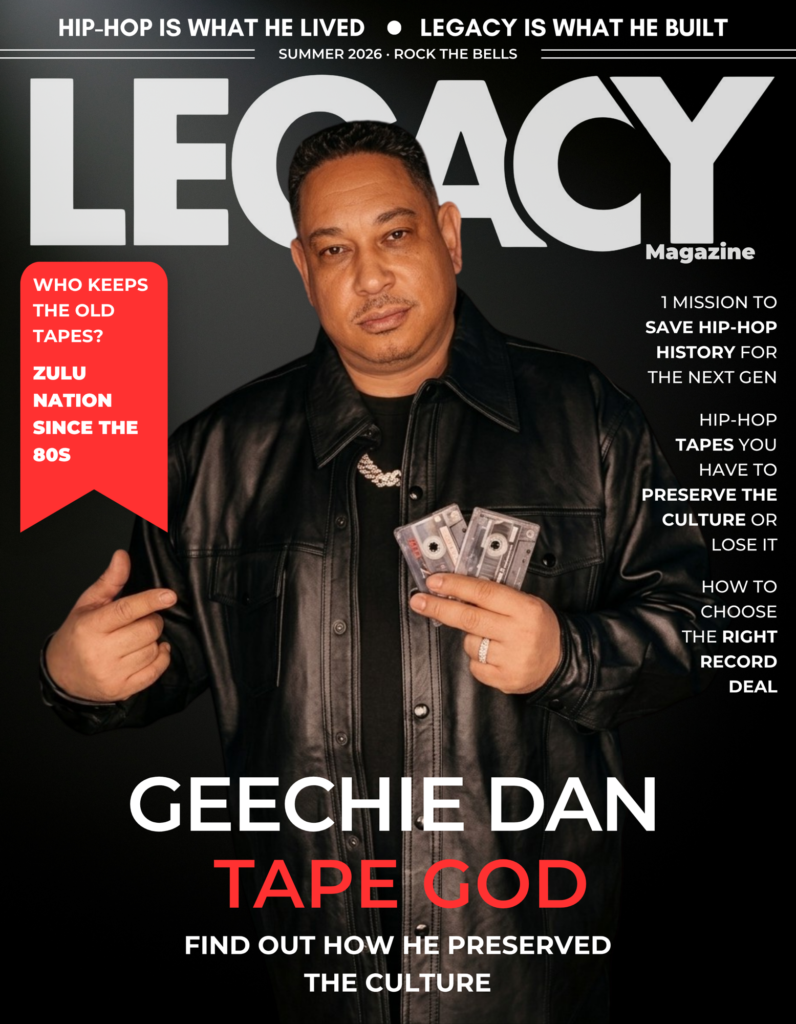
Long before hip-hop became a global industry, it lived in parks, community centers, cassette tapes, and block parties across New York City. For Geechie Dan, those early years were more than memories. They became a lifelong mission.
Raised in Hollis, Queens during the rise of legendary artists like Run-DMC and LL Cool J, Geechie Dan grew up surrounded by the raw energy that helped shape hip-hop culture in the early 1980s. While many experienced the movement as fans, he began documenting it, collecting live audio recordings from park jams and hip-hop parties throughout the New York Tri-State area during a time when much of the culture existed only in the moment.
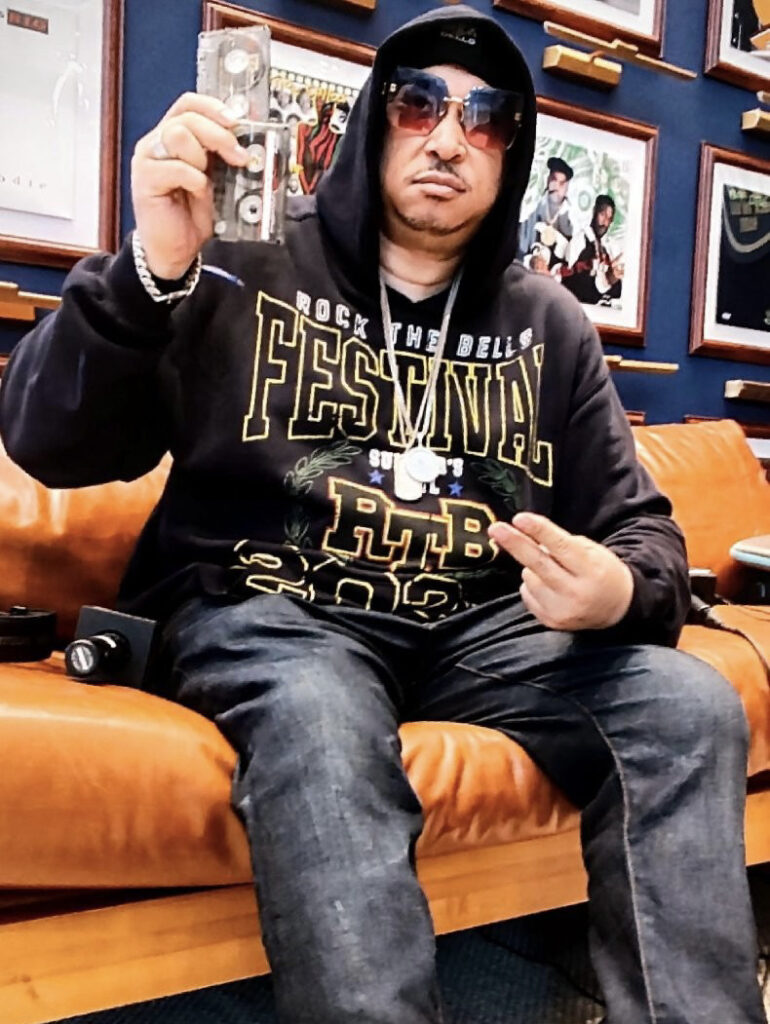
That dedication to preservation would later become one of the defining themes of his career.
From Early Emcee to Cultural Historian
In 1983, Geechie Dan began emceeing himself while also becoming a member of the legendary New York-based hip-hop organization Zulu Nation, a collective deeply connected to the foundations of hip-hop culture and community consciousness.
By 1986, his growing presence led to a record deal opportunity with independent label Public Recordsfor the song Let’s Dance, after being referred by Queens park jam legend Mikey D. Yet despite the opportunity, Geechie Dan made the difficult decision to walk away from the deal due to his involvement with the Jehovah’s Witnesses, influenced heavily by family and religious expectations at the time.
While the music industry path paused, his connection to hip-hop never disappeared.
A Journey Through Music, Faith, and Self-Discovery
In 1990, Geechie Dan won a rap contest organized by Black Cat Productions in New Orleans, earning a trophy, a cash prize, and the opportunity to record at Paisley Park Studios, the iconic recording home of global music legend Prince. The moment represented another important chapter in a journey shaped by both talent and persistence.
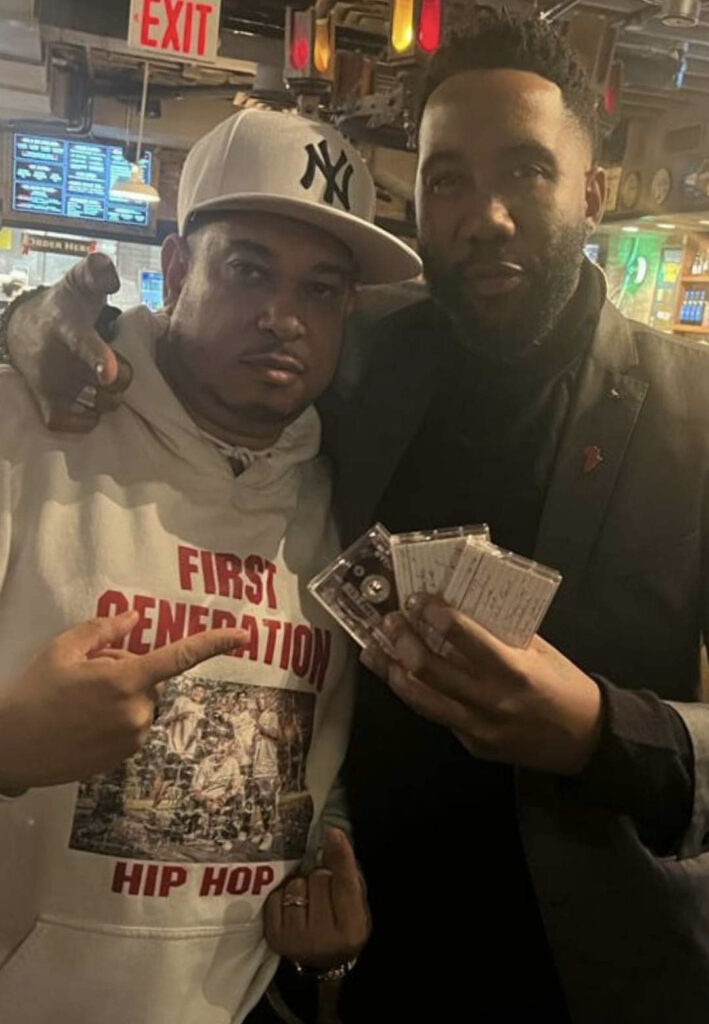
Years later, Geechie Dan chose to openly share another deeply personal part of his story through his 2008 book, The Kingdom Hall No More, where he discussed his 16-year involvement with the Jehovah’s Witnesses and the impact it had on his life and artistic ambitions.
The book revealed a different side of his journey, one centered on personal reflection, identity, and reclaiming his voice.
Building Platforms for Hip-Hop Preservation
While many artists focus solely on performance, Geechie Dan evolved into something larger within hip-hop culture: a preserver, archivist, broadcaster, and cultural advocate.
In 2015, he launched the first season of The Geechie Dan Hip-Hop Tape Show on Hilltop Radio alongside DJ Shawn. The show expanded over the years across multiple platforms and collaborators, including FLOempire Radio, DSN Network, Linkage Radio 101.7 FM, DJ Kool K Gee, DJ Kid Flash, and DJ Scratch Masta Jazzy G.
Through these programs, Geechie Dan created spaces dedicated to preserving classic hip-hop recordings, stories, and history that might otherwise have been forgotten.
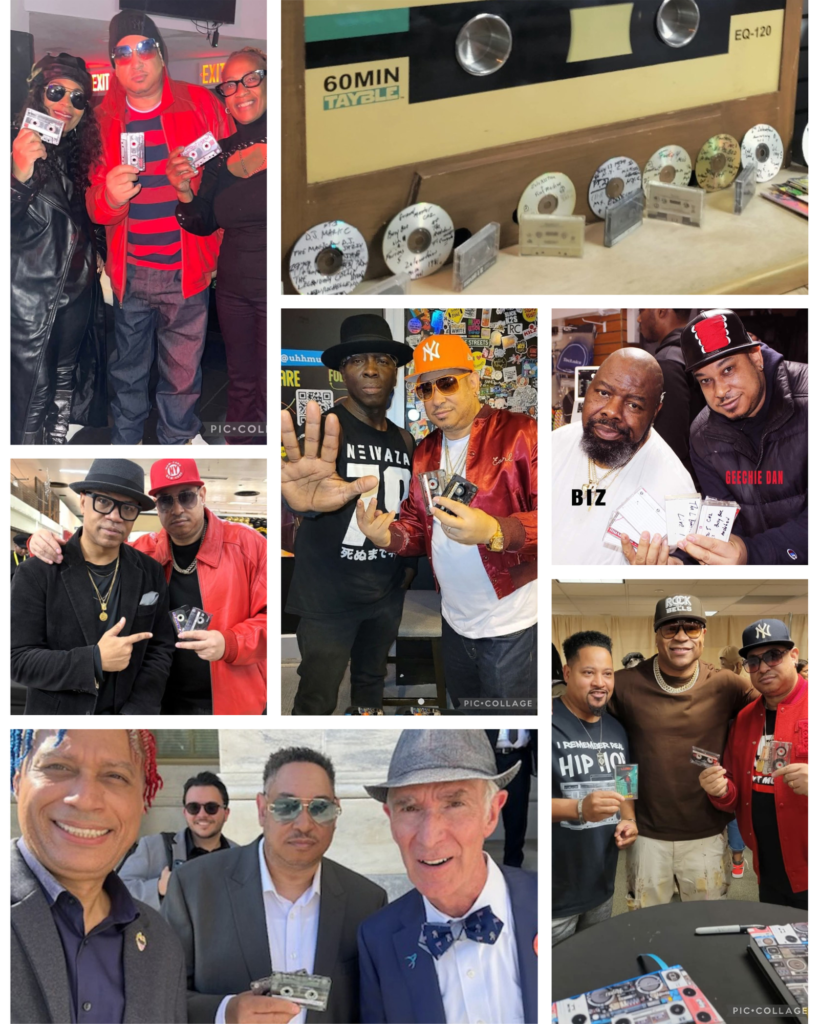
In 2019, that mission continued with the launch of the Hip-Hop Icon Music Channel, further solidifying his role as a cultural historian within the genre.
Keeping the Legacy Alive Through Rock The Bells Radio
Today, Geechie Dan serves as the host of Planet Of The Tapes on LL Cool J’s Rock The Bells Radio SiriusXM, a platform dedicated to honoring the golden era and continued evolution of hip-hop culture.
His work extends even further through his role as founder of the International Hall Of Music & Culture and the Hall Of Tapes, initiatives designed to preserve and celebrate the artists, recordings, and cultural contributions that helped shape hip-hop worldwide.
More Than Music, A Cultural Mission
What separates Geechie Dan from many figures in hip-hop is the depth of his commitment to the culture itself. His career has never been solely about personal recognition. Instead, it has been about protecting history, amplifying legacy, and ensuring that the roots of hip-hop remain visible for future generations.
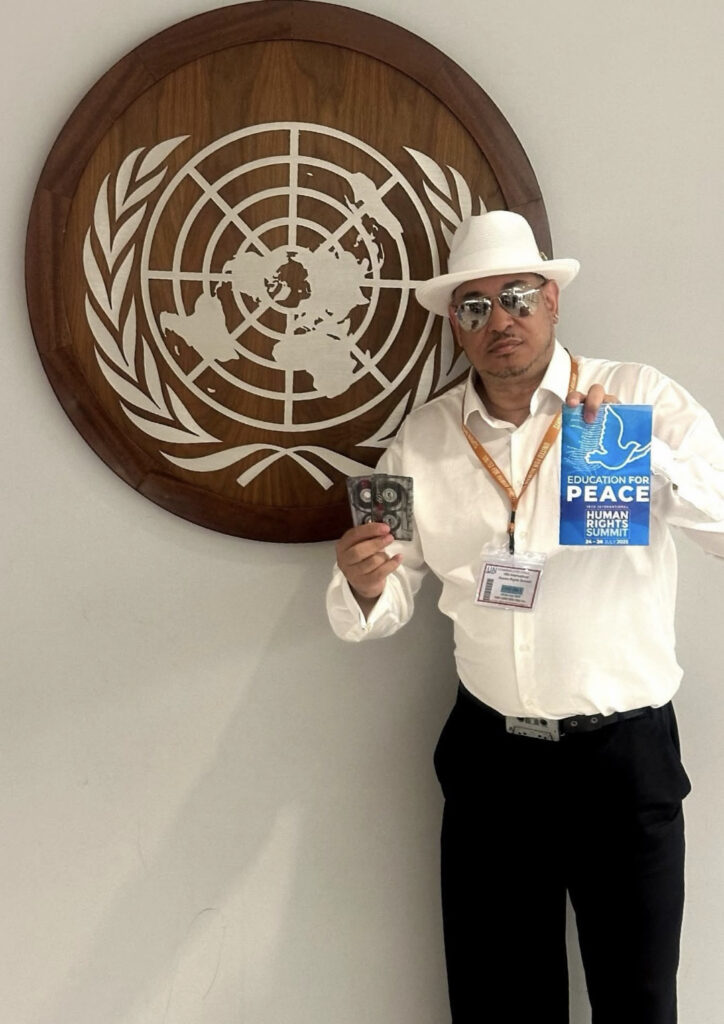
From collecting cassette recordings in Queens during the early 1980s to hosting major radio platforms and building cultural institutions, Geechie Dan has transformed his lifelong passion into meaningful preservation work.
In a world where music moves faster than ever, Geechie Dan continues to remind audiences that hip-hop is not just entertainment.
It is history, community, identity, and legacy.